Scenic Projects
Theatrical Surface Techniques
Scenic painting projects exploring texture, color, and illusion through traditional theatrical techniques. This work demonstrates hands-on experience creating realistic surfaces and environments that support storytelling through paint, material treatment, and visual depth.
Bryan Putnam, Art-Sublimina-Photography.com, #artsubliminaphotography
Senic Painting
Suor Angelica and Cavalleria Rusticana
Both shows used the same painted set, yet they had different tones and themes. The techniques used involved weathering and muted natural tones of wood, greenery, and stone. They heavily featured different textures of weathered wood and washes that paired beautifully with the different lighting tones and movements.
Techniques featured:
wood graining
dry brushing
spraying washes
scummbling
cobble stone
spatter
stencilling
mixing paints for set pieces and props
Bryan Putnam, Art-Sublimina-Photography.com, #artsubliminaphotography
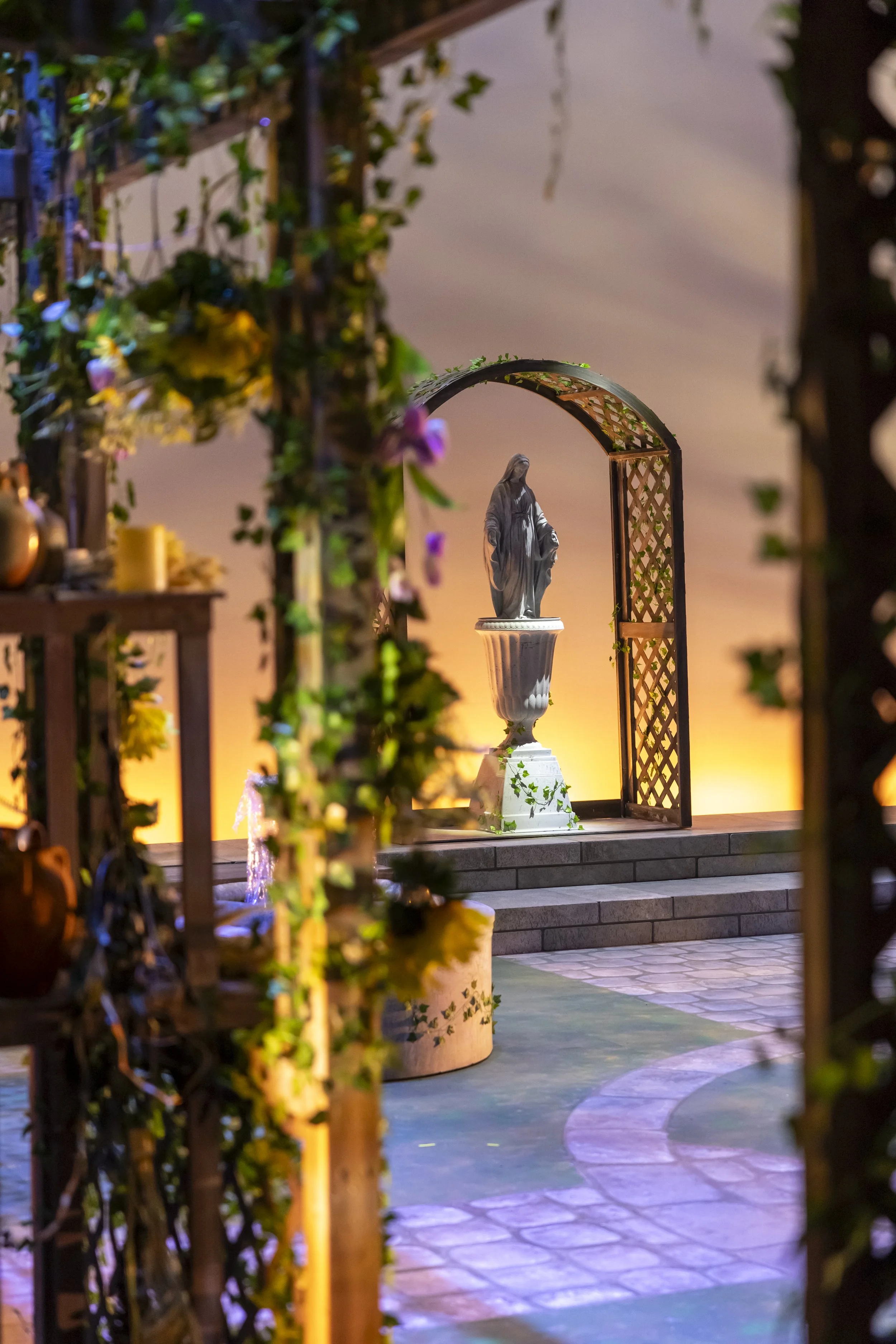
Suor Angelica: Director: Nancy King, Set Designer: Max Lydy
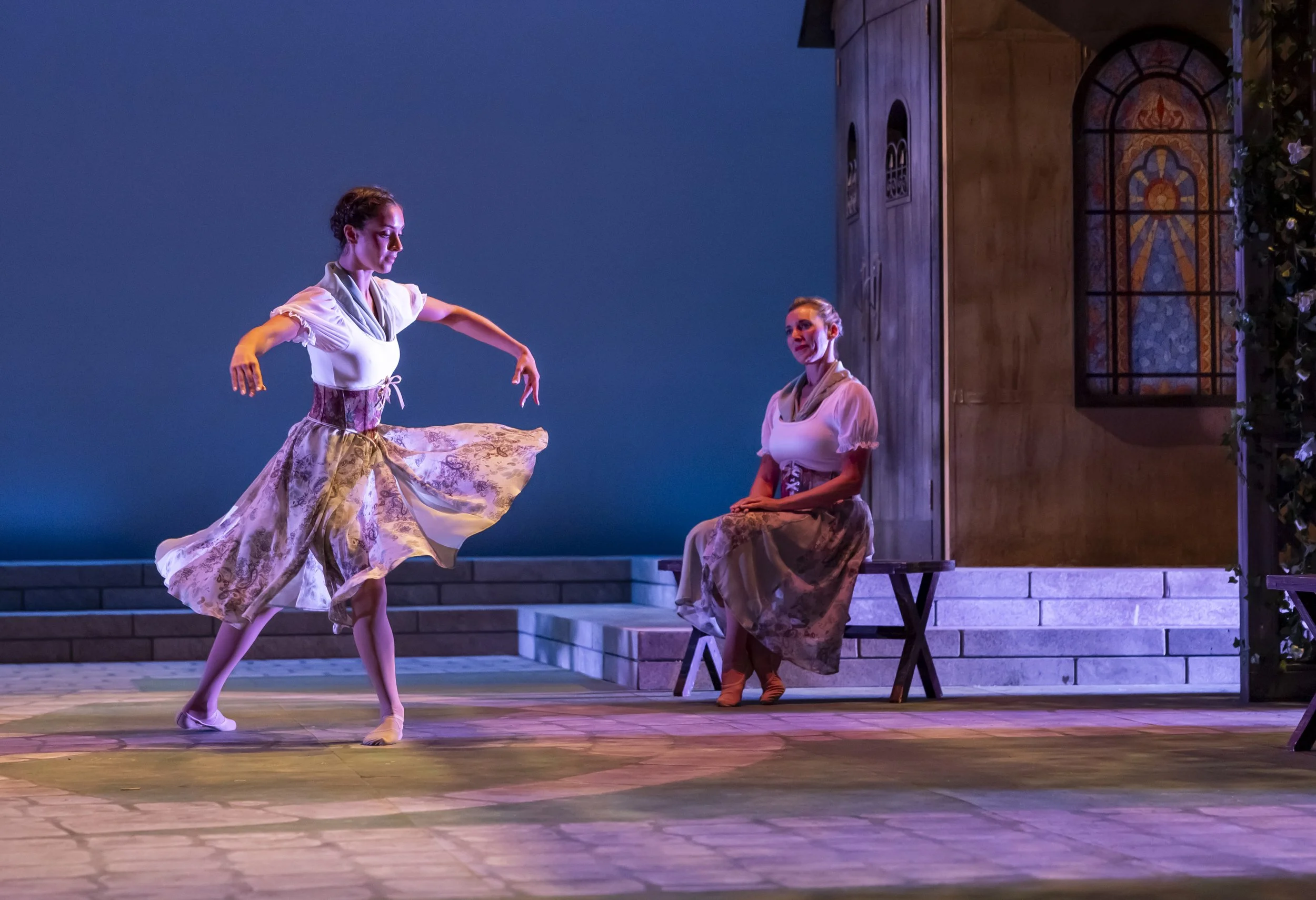
Cavalleria Rusticana: Director: Nancy King, Set Designer: Max Lydy
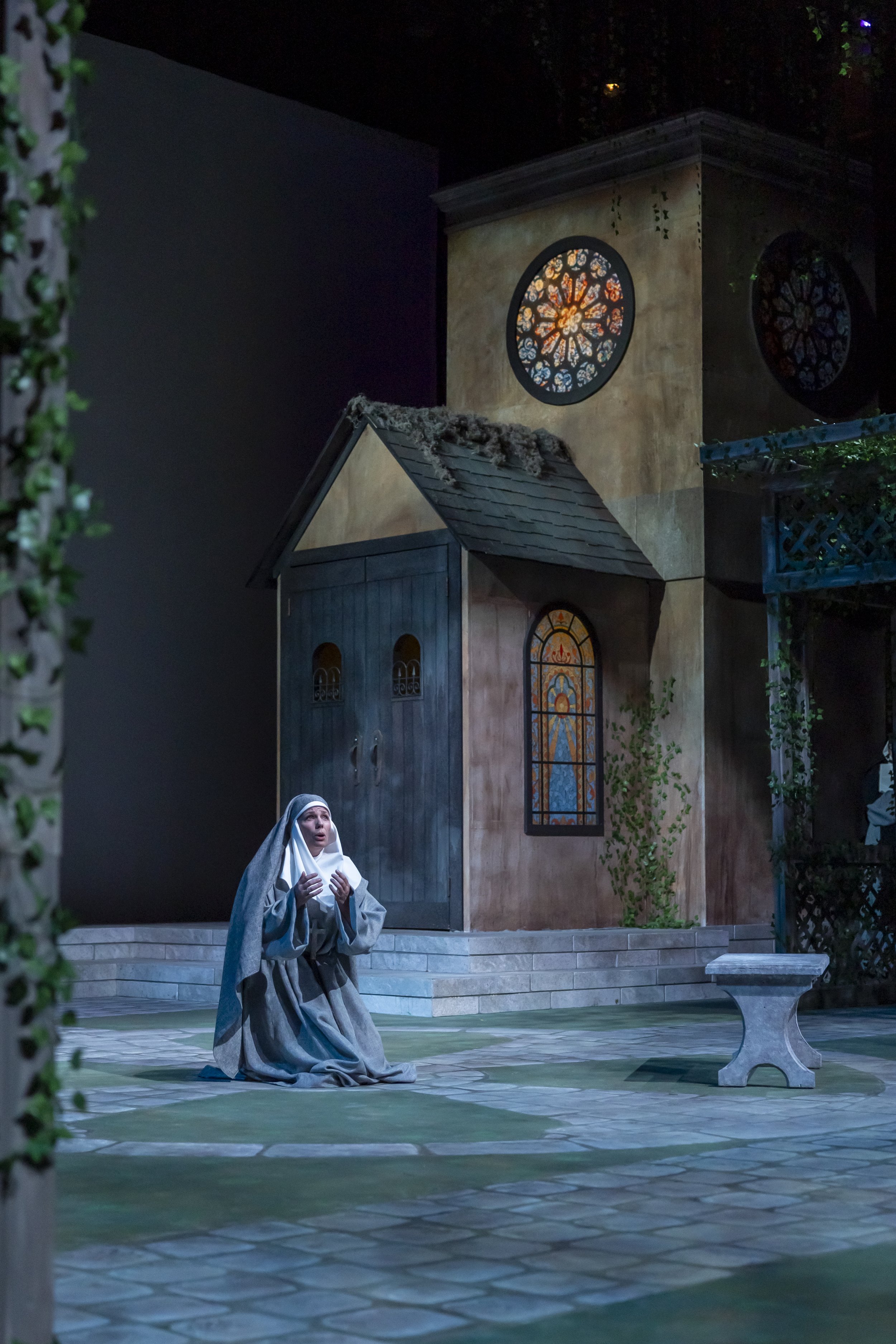
Suor Angelica: Director: Nancy King, Set Designer: Max Lydy
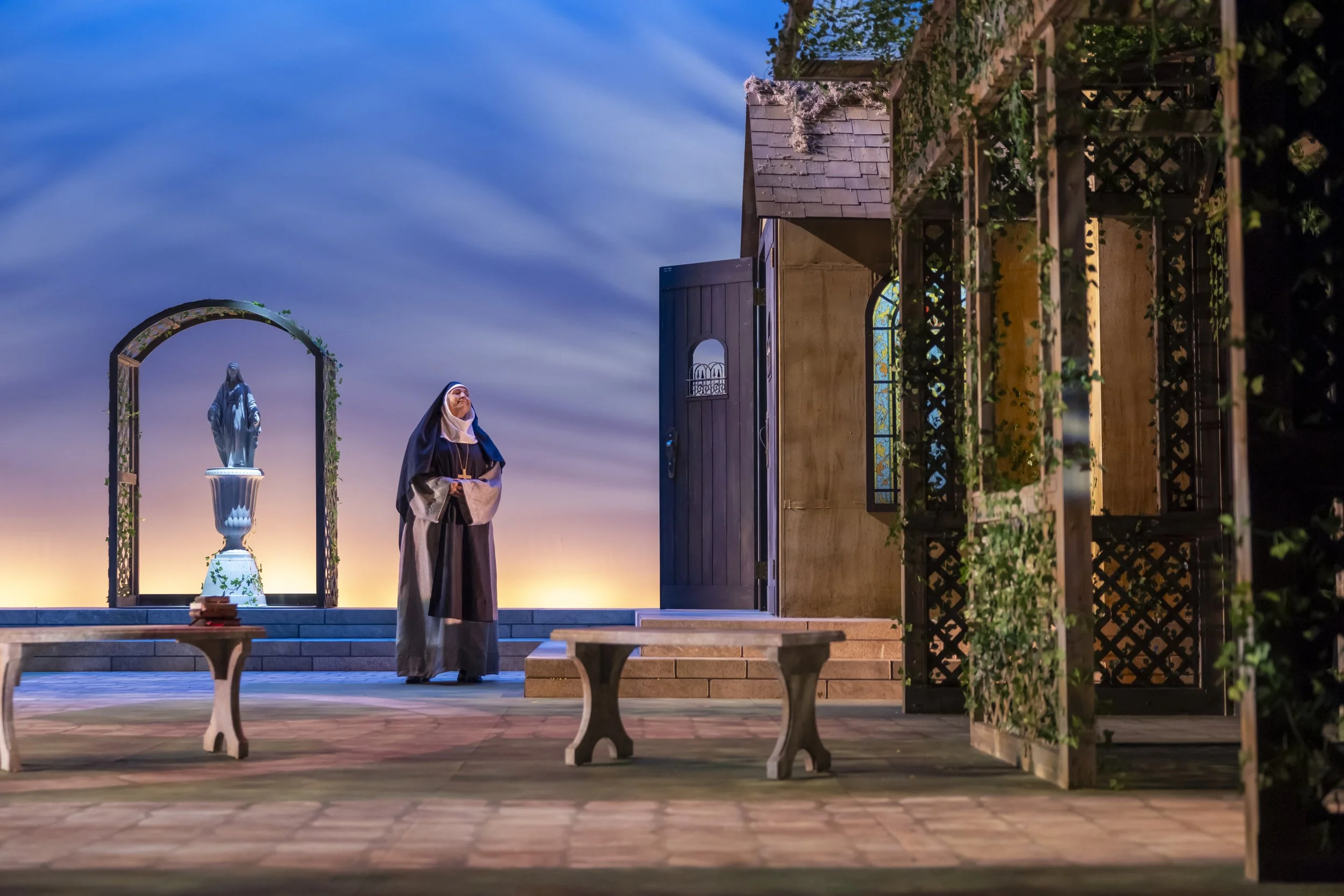
Suor Angelica: Director: Nancy King, Set Designer: Max Lydy
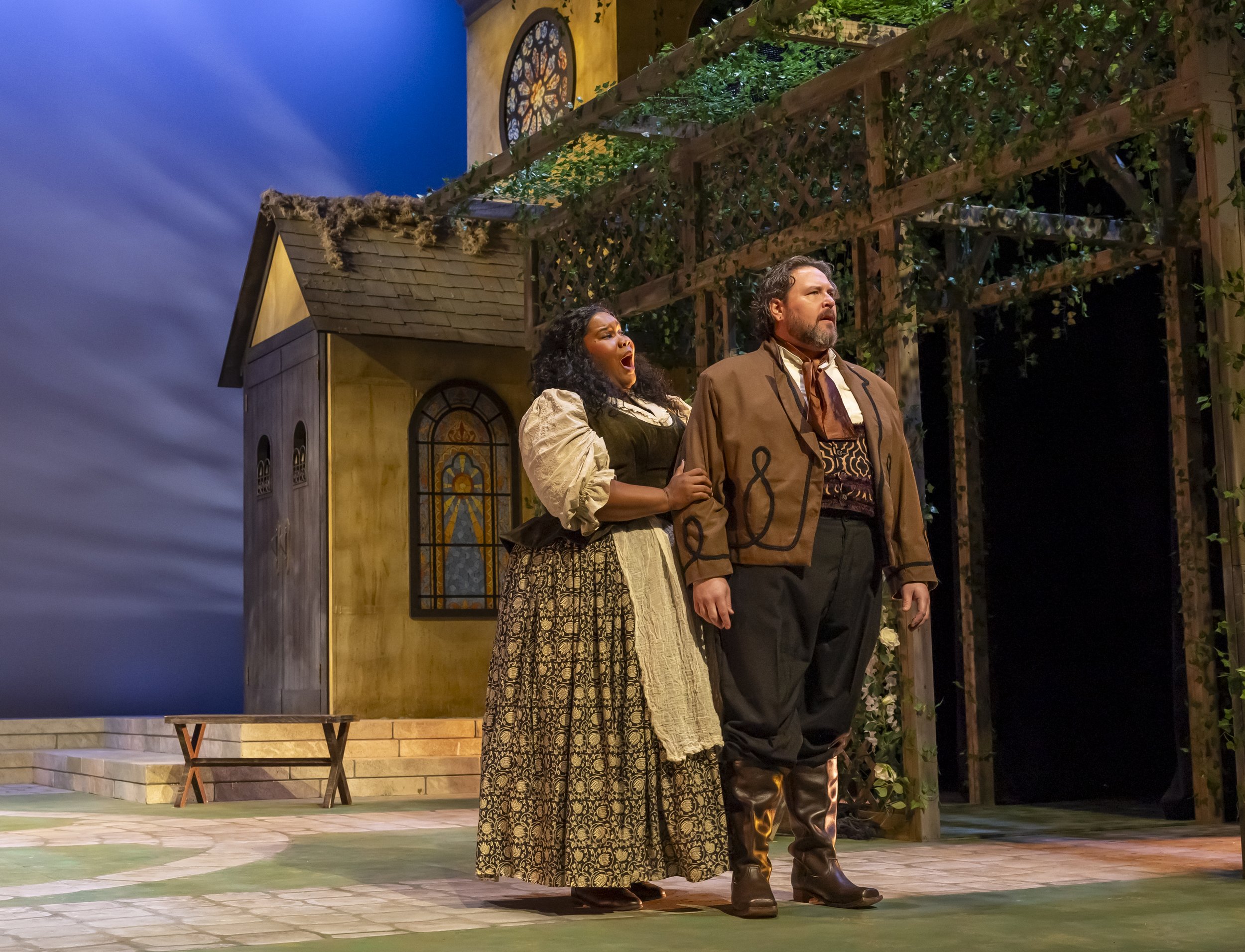
Cavalleria Rusticana: Director: Nancy King, Set Designer: Max Lydy
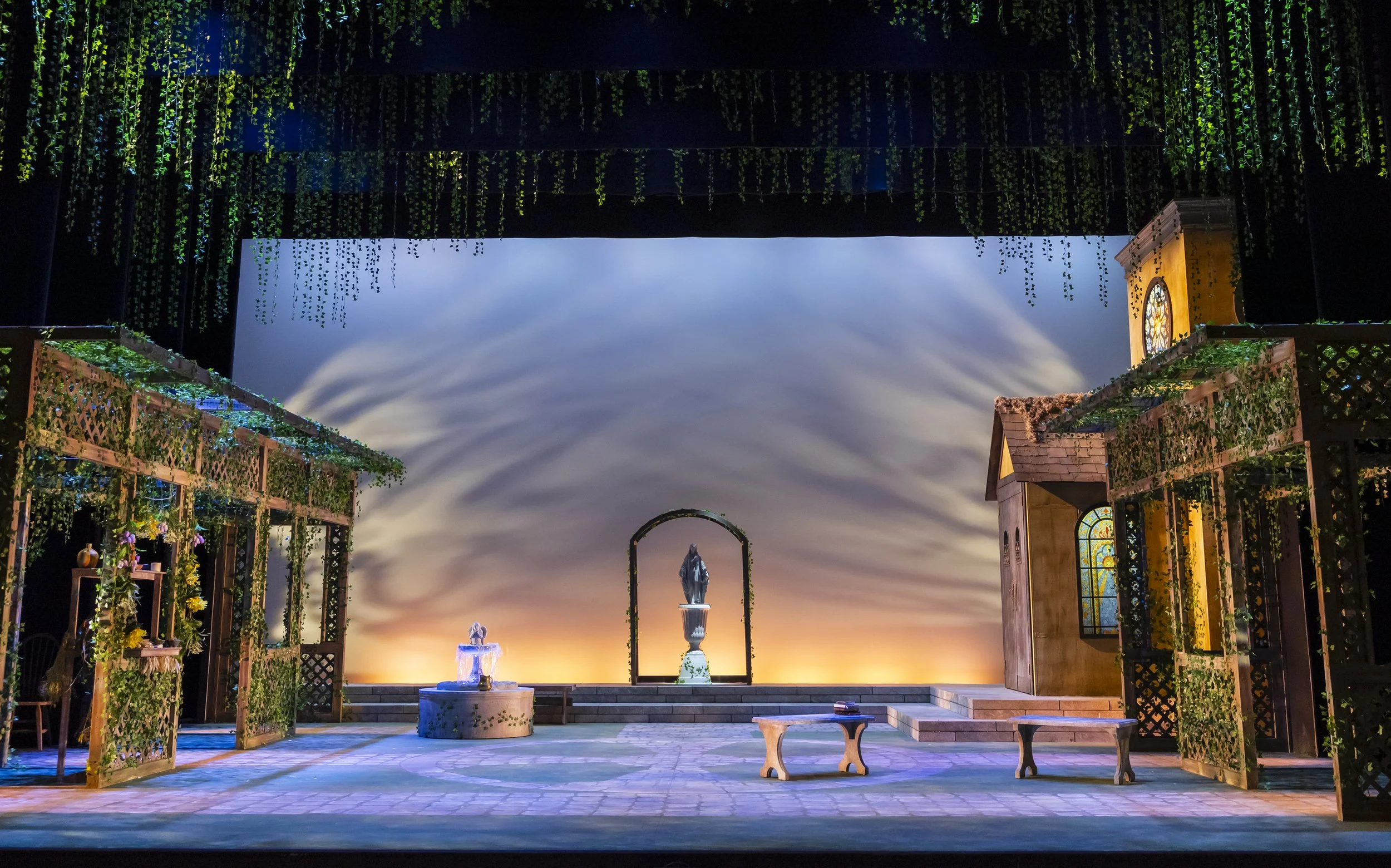
Suor Angelica: Director: Nancy King, Set Designer: Max Lydy
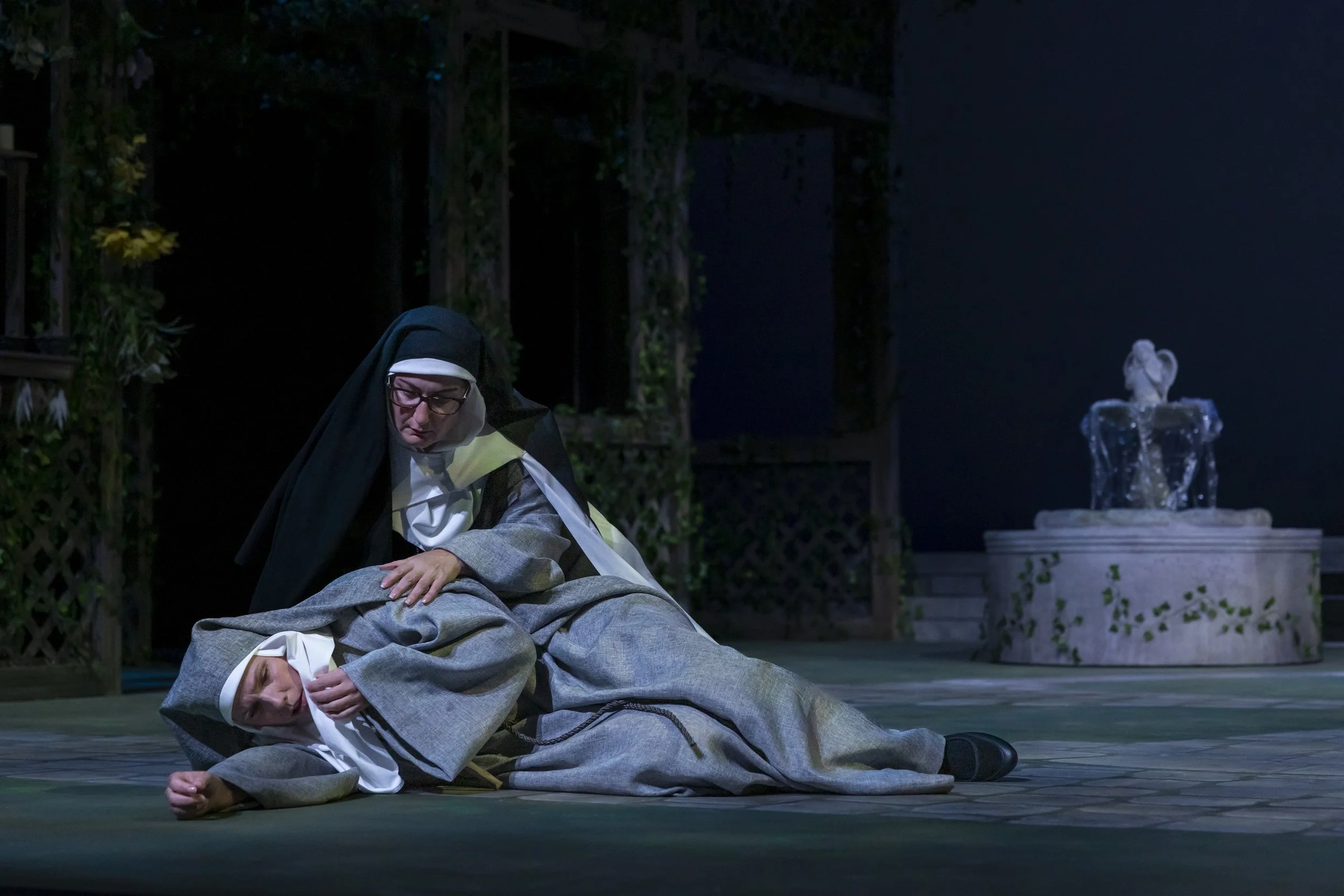
Suor Angelica: Director: Nancy King, Set Designer: Max Lydy
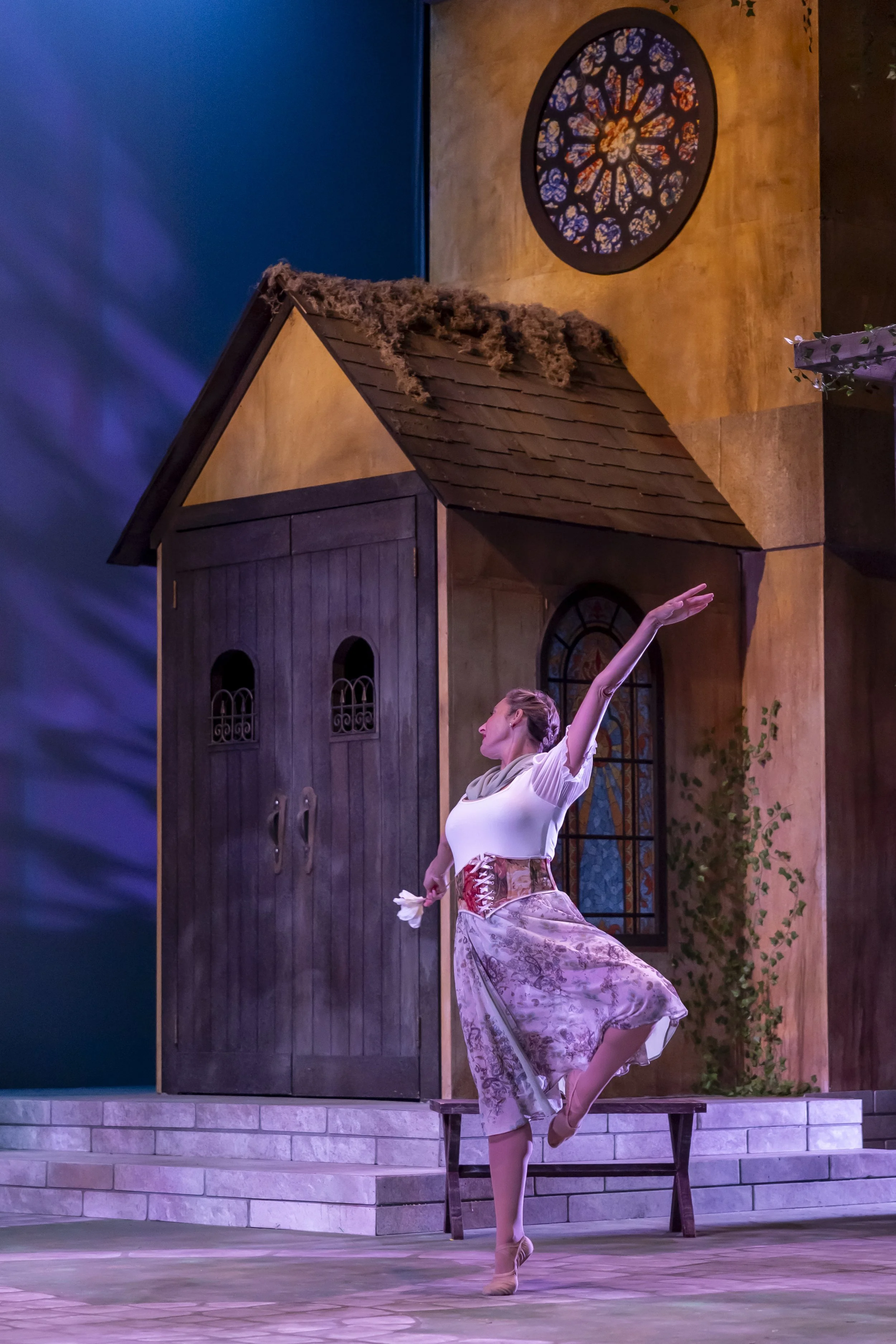
Cavalleria Rusticana: Director: Nancy King, Set Designer: Max Lydy
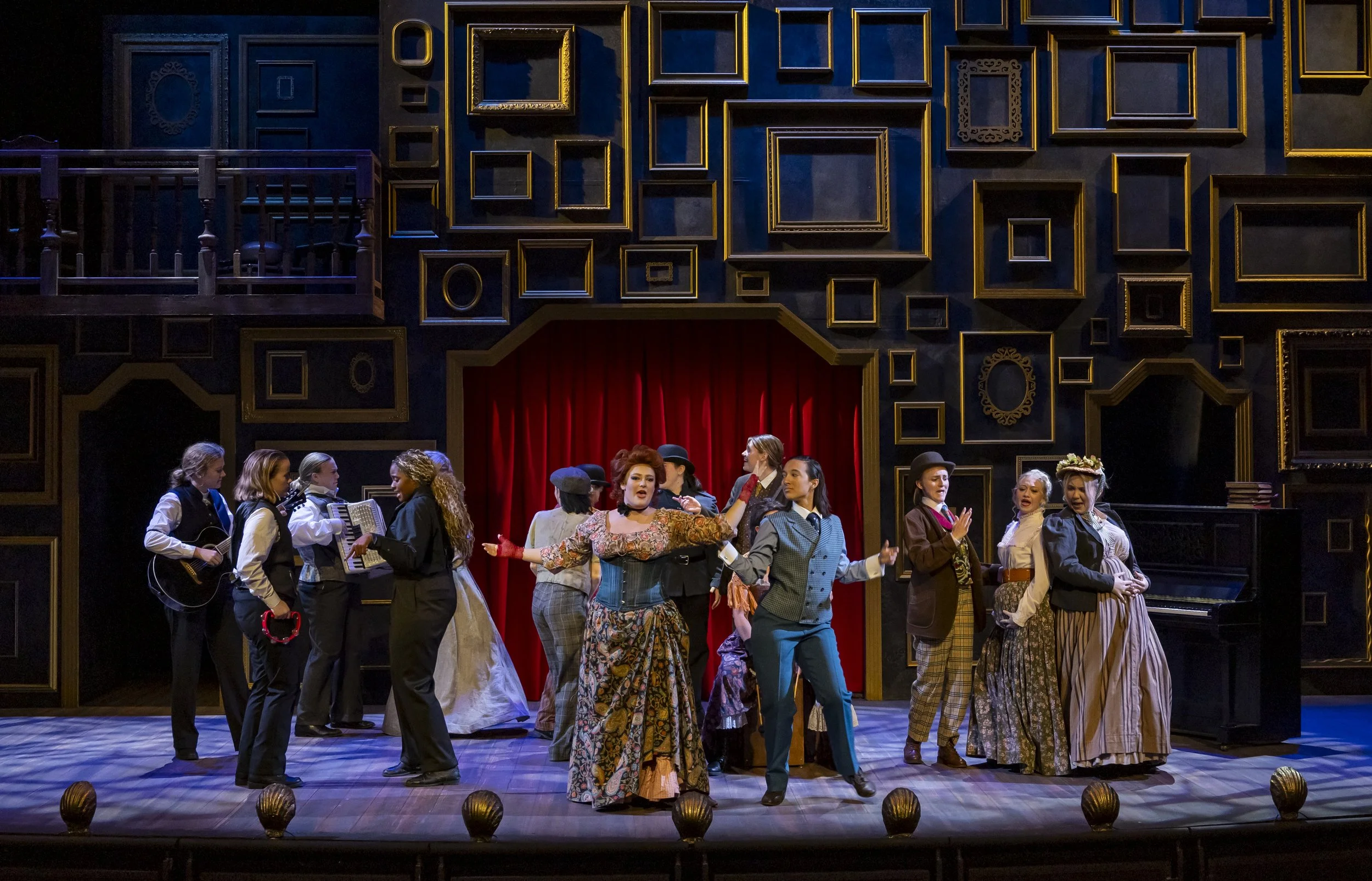
The treatments that were used during this production involved a lot of trial and error. We needed subtle texture on the walls and deep, dark wood grain on the staircase, wall, and counters. We achieved the wall treatments with a grocery bag, and the wood with wet brushing.
Crimes of The Heart
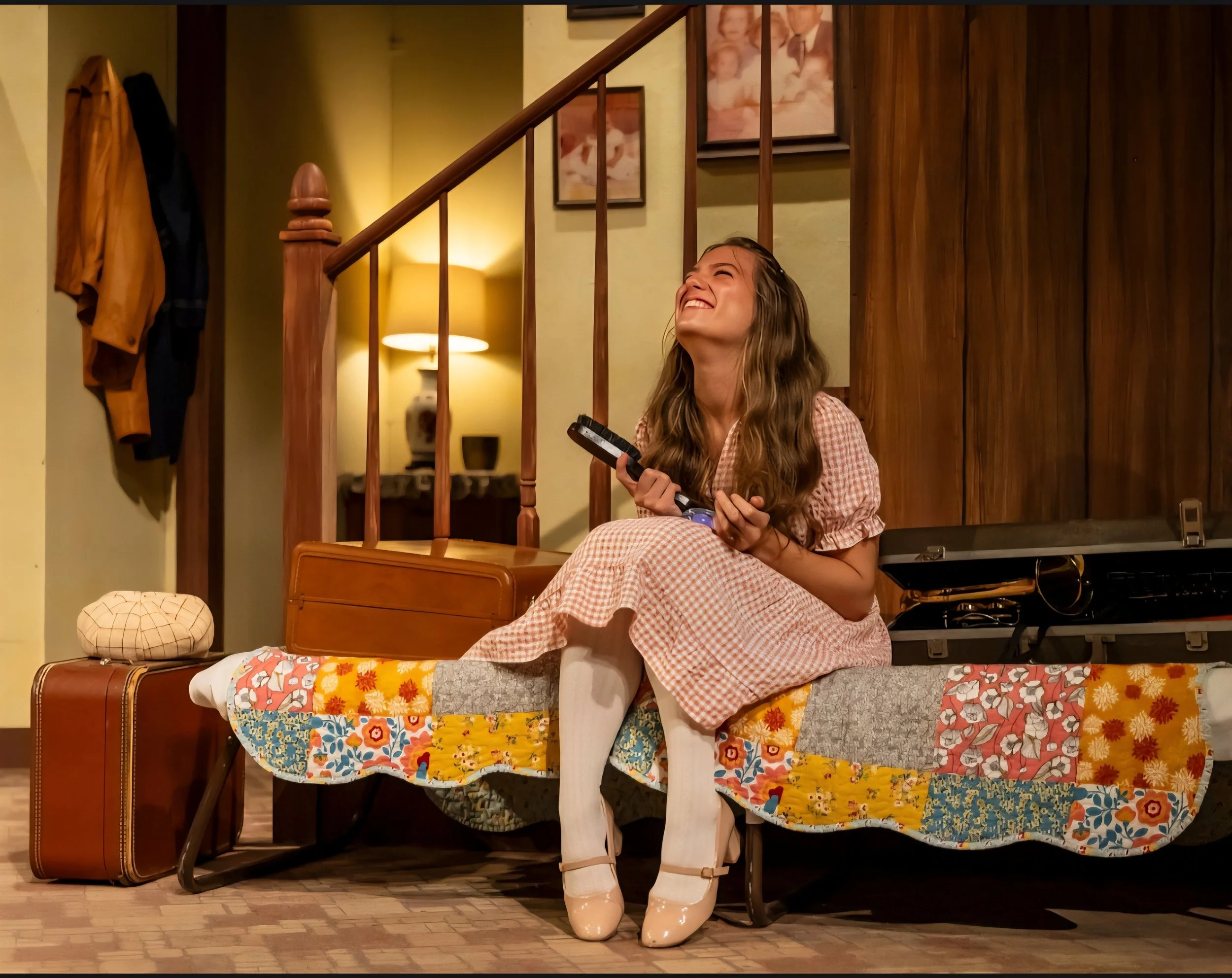
Director: Robin Post, Set Designer: Jenna Houck, Master Painter: Victoria Butler
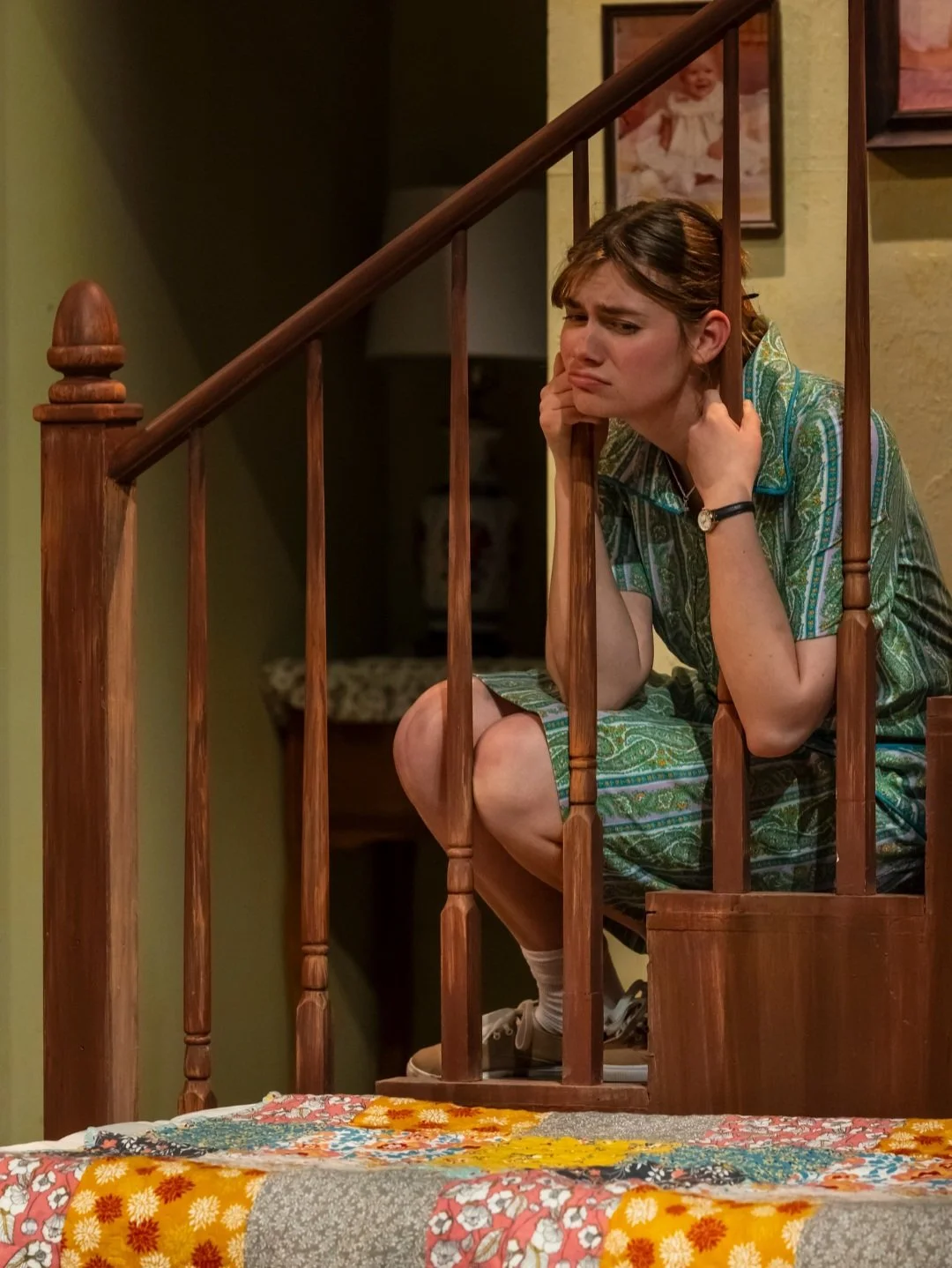
Director: Robin Post, Set Designer: Jenna Houck, Master Painter: Victoria Butler
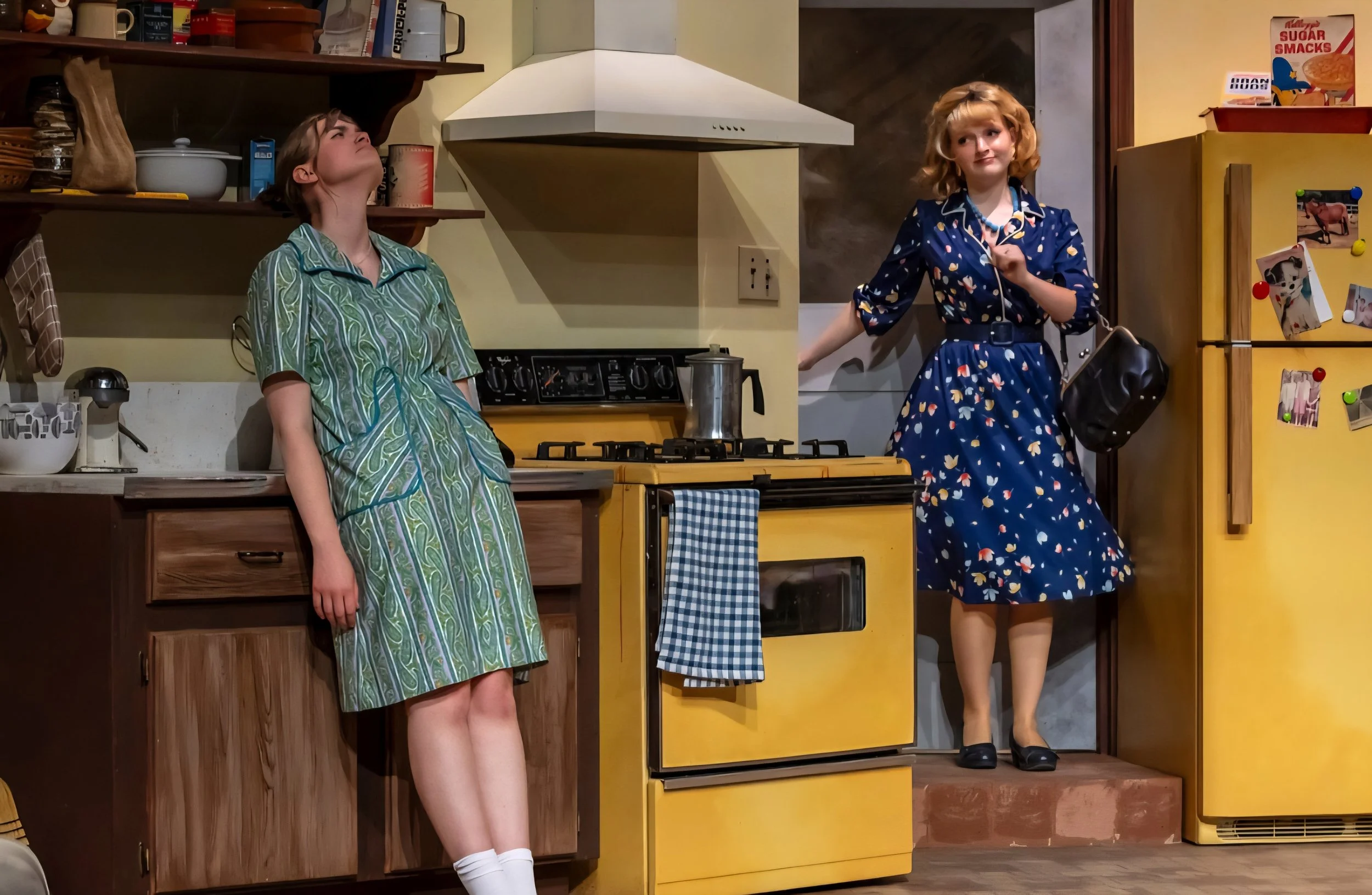
Director: Robin Post, Set Designer: Jenna Houck, Master Painter: Victoria Butler
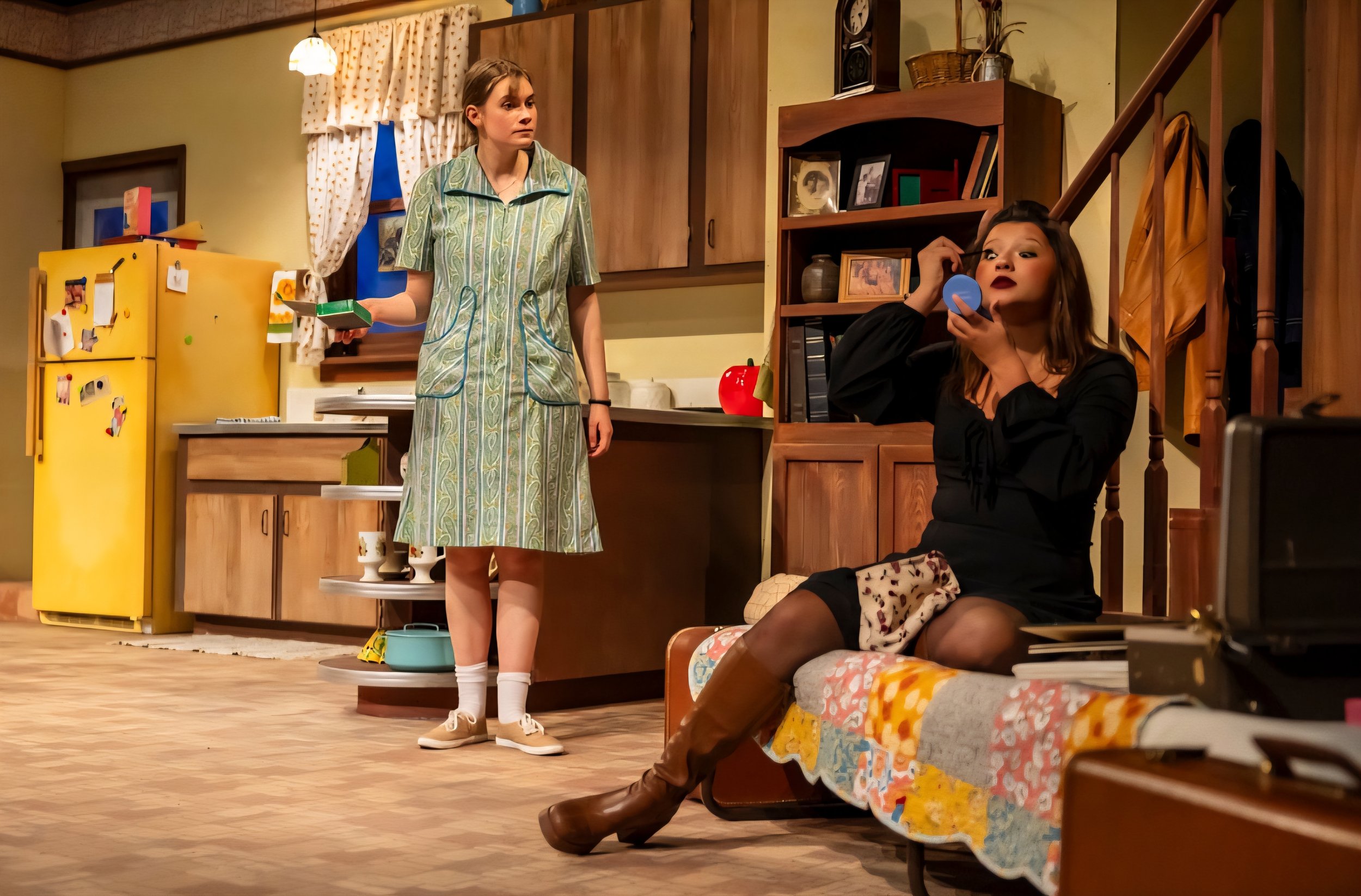
Director: Robin Post, Set Designer: Jenna Houck, Master Painter: Victoria Butler
Bryan Putnam, Art-Sublimina-Photography.com, #artsubliminaphotography
Scenic painting and surface treatment projects exploring texture, color, and atmosphere through hands-on theatrical techniques used to support storytelling and performance.
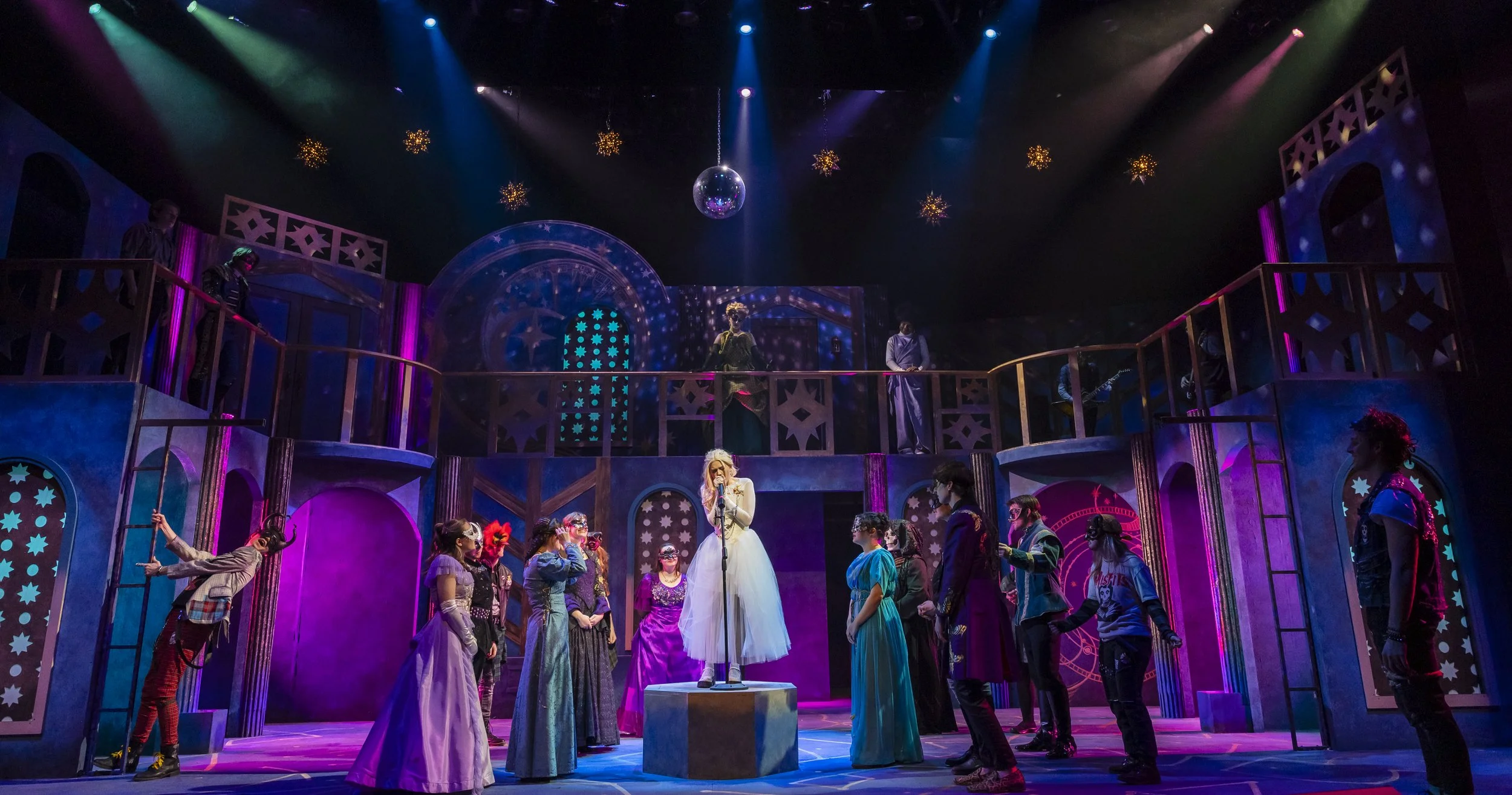
Romeo and Juliet
For Romeo and Juliet, I used wet-and-dry sponging techniques to blend paint and add texture to the scenic surfaces. This approach helped create visual depth and organic variation within the set, enhancing the environment while supporting the production’s emotional tone.
Bryan Putnam, Art-Sublimina-Photography.com, #artsubliminaphotography
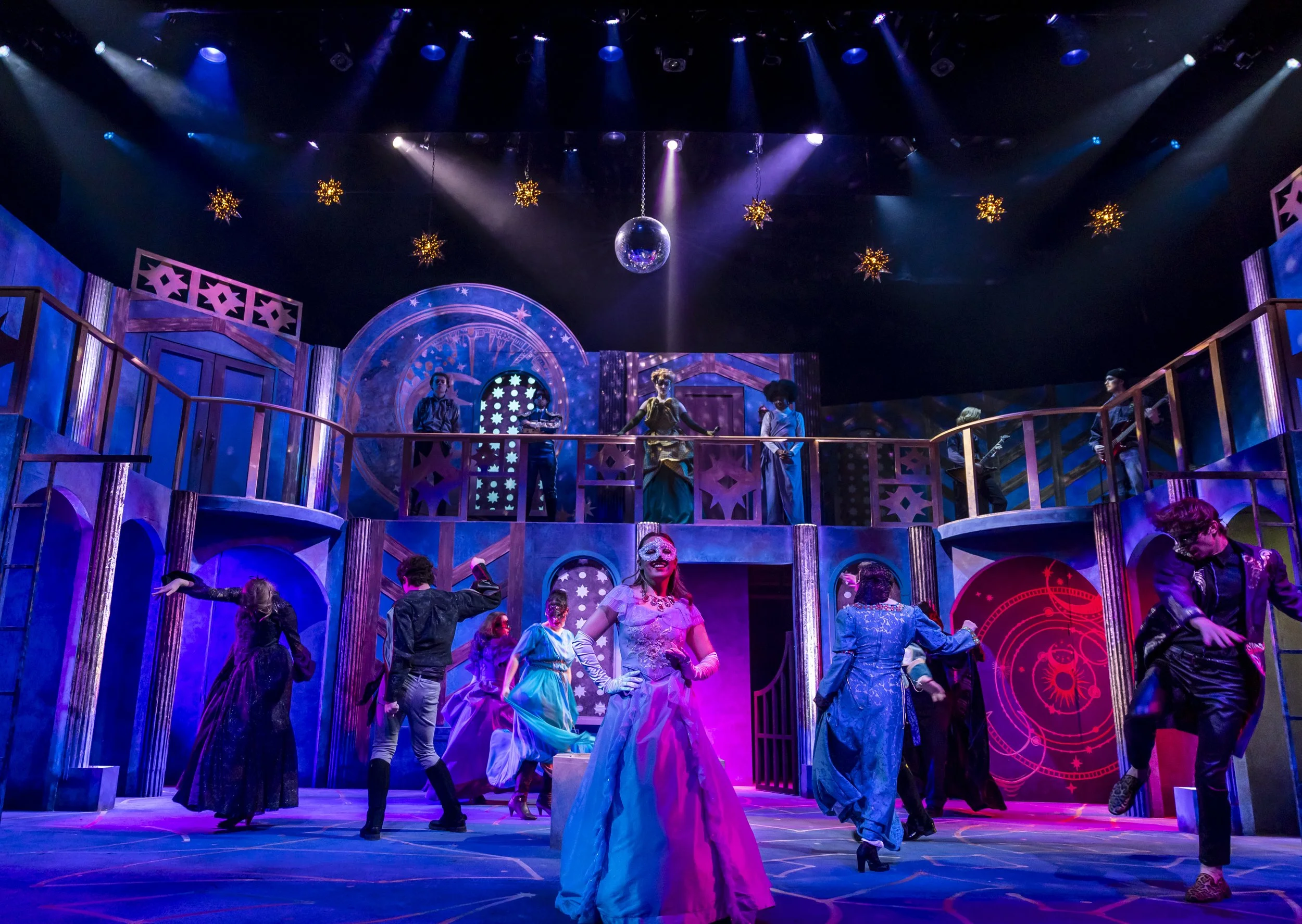
Bryan Putnam, Art-Sublimina-Photography.com, #artsubliminaphotography
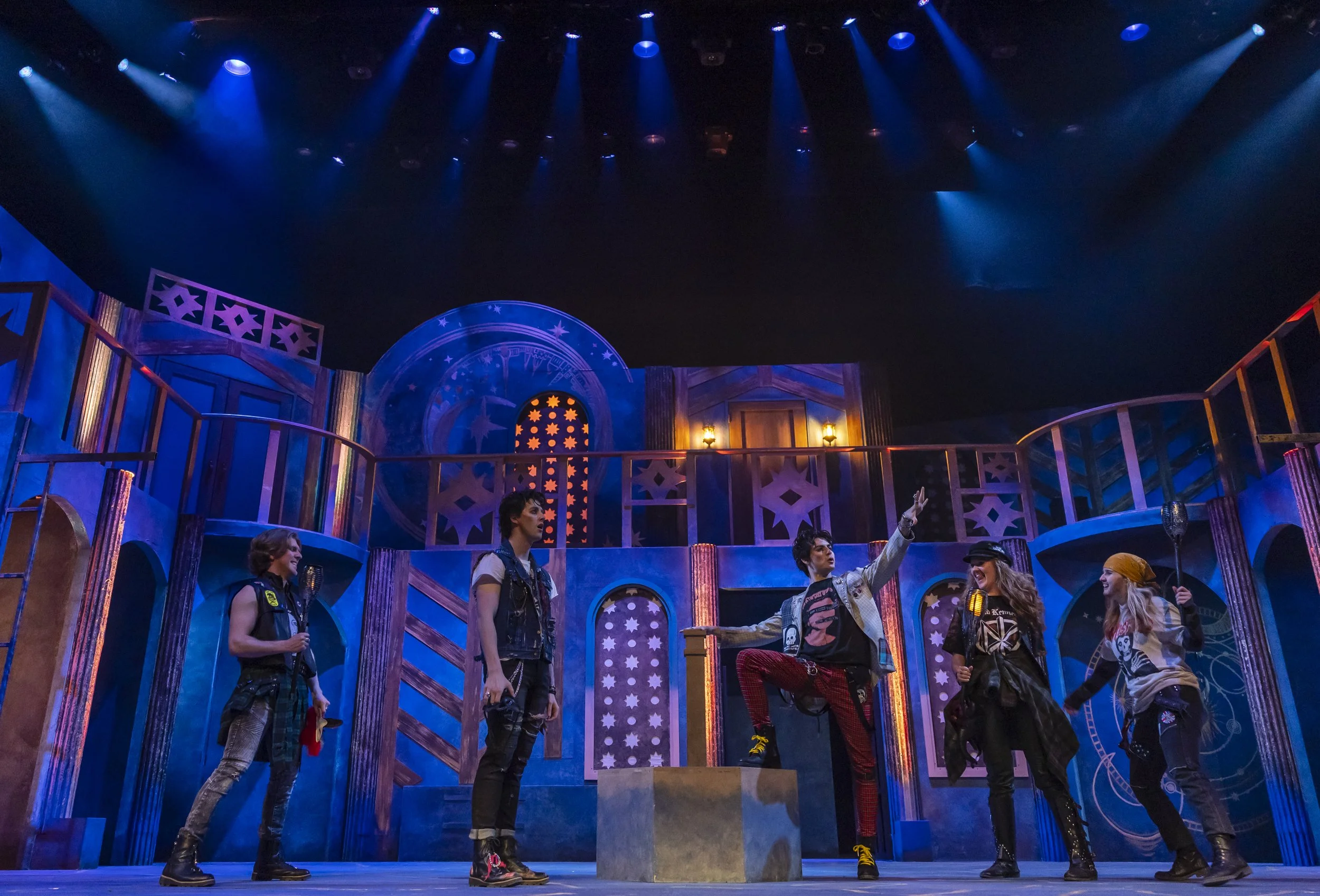
Bryan Putnam, Art-Sublimina-Photography.com, #artsubliminaphotography
Scenic Painting Techniques
These techniques were used to replicate a variety of surfaces commonly found in theatrical environments, including wood grains, brickwork, river rocks, dimensional shapes, and aged ghost signs.
Technique Breakdown
The final project for this course combined all of the techniques learned throughout the semester into a single scenic painting composition. I used spatter, sponging, wet and dry blending, and custom paint mixing to demonstrate versatility, control, and an understanding of how multiple techniques work together to create cohesive scenic surfaces.
River Rocks
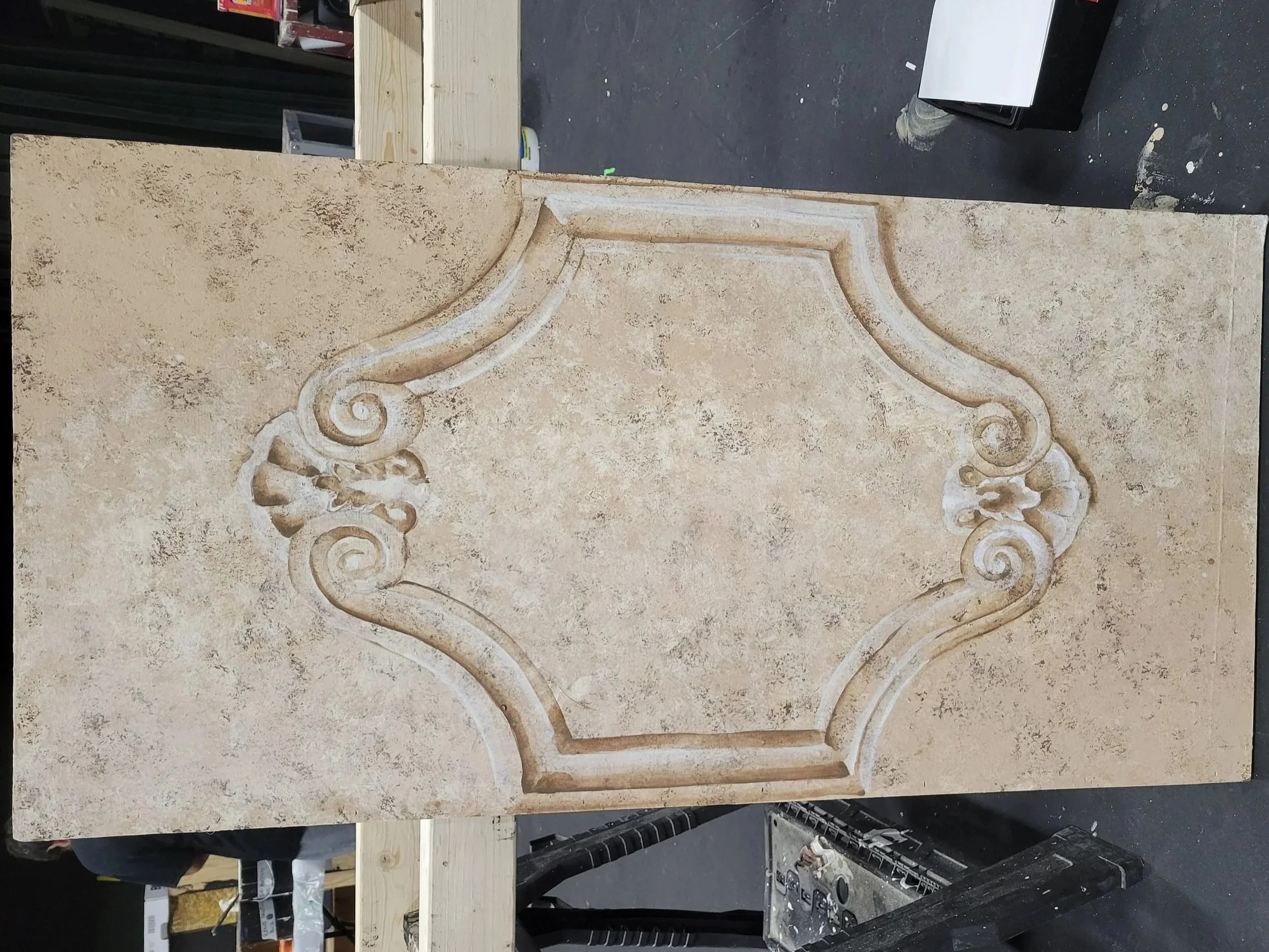
Freehand painting techniques were used to establish form, followed by dry brushing for blending, wet brushing for shadows, and sponging to add texture and variation.
Shapes
Wet brushing was used for blending, highlighting, and shadowing to create depth and dimension. A spray bottle was incorporated to simulate moisture and water pooling in corners.
Architecture
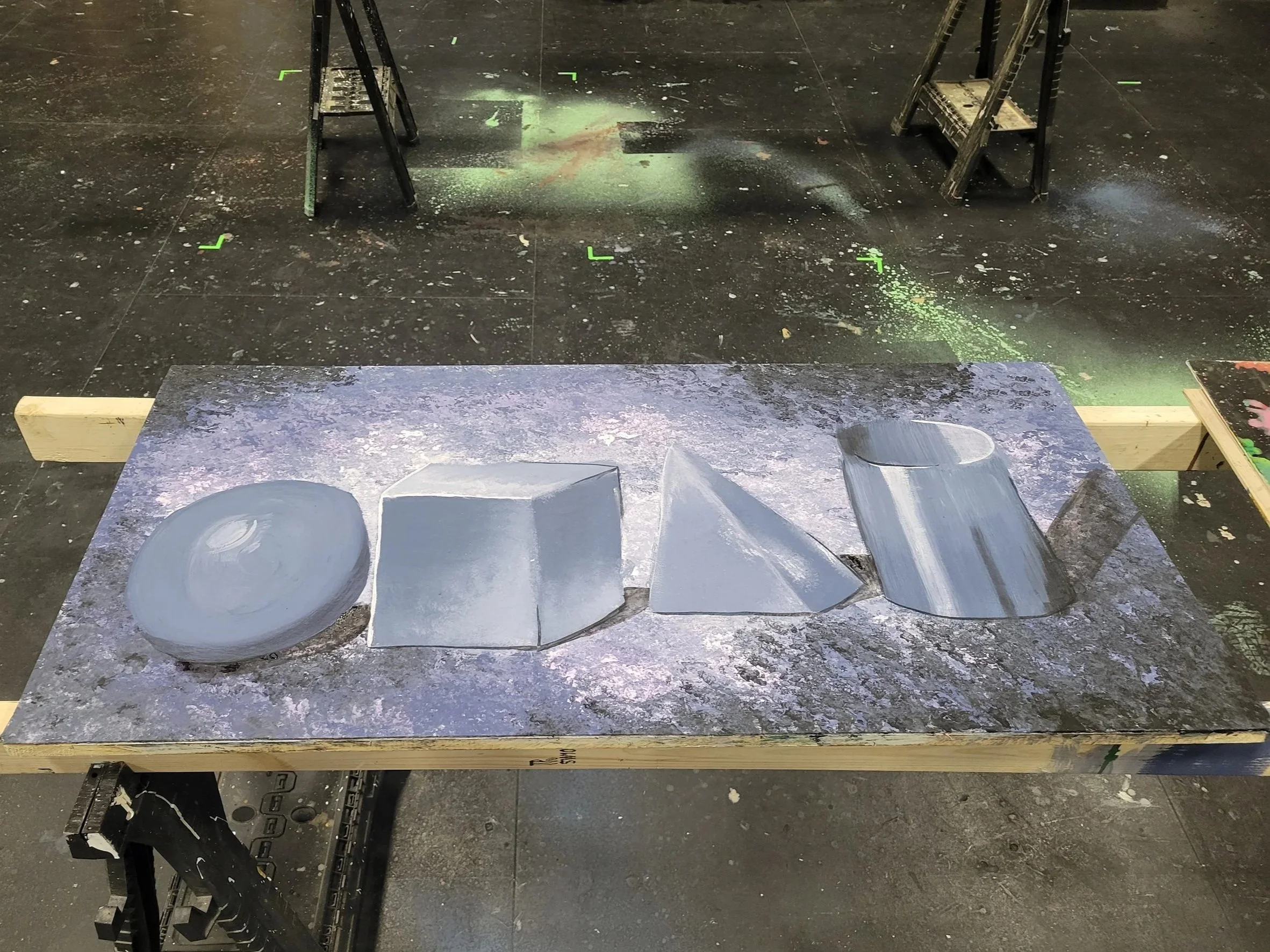
This section combined stenciling and freehand painting methods. Sponging was used to build texture, while wet brushing created highlights and shadows to enhance dimensionality.
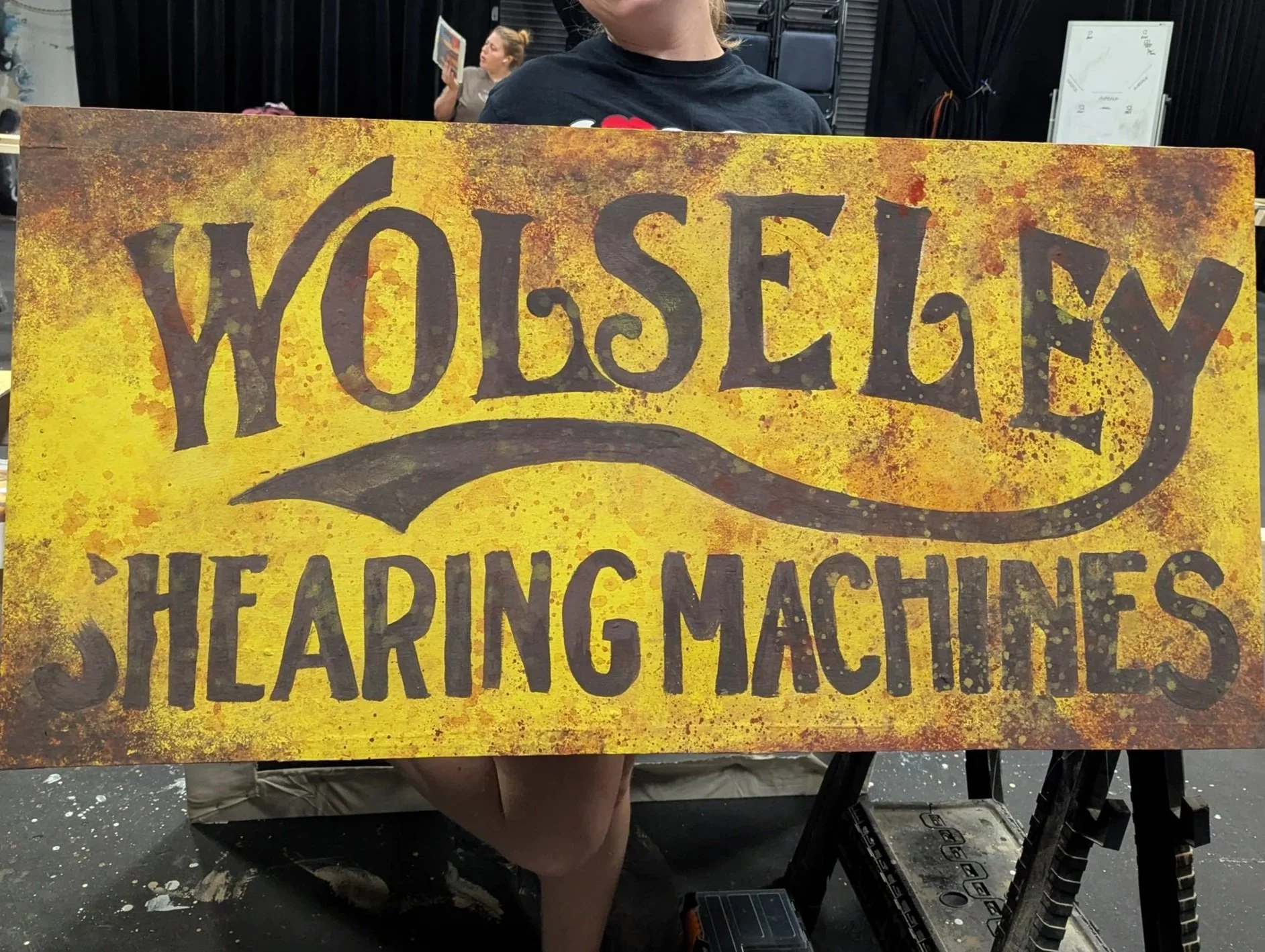
Ghost Sign
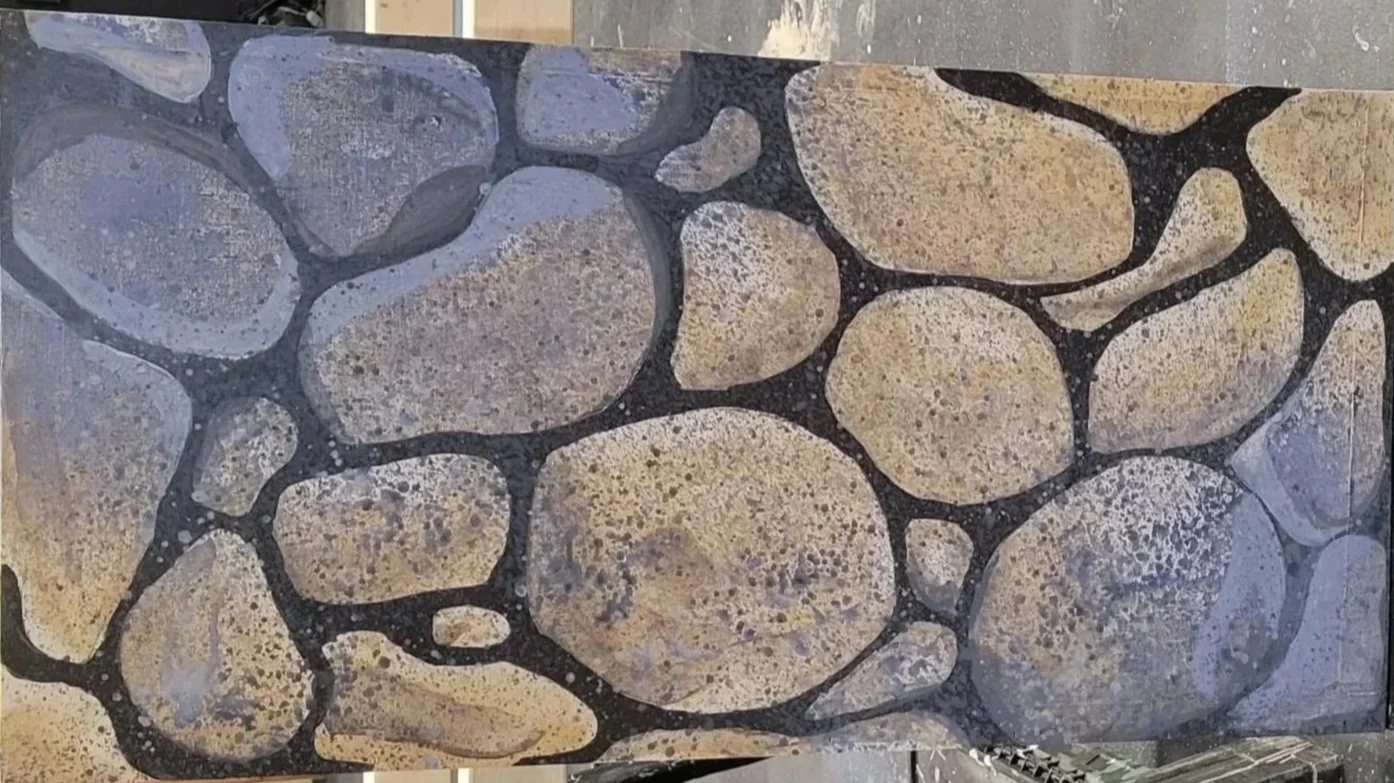
Ghost signage was created using a combination of freehand painting and stenciling. Paint mixing, dry brushing, sponging rust effects, and splatter techniques were used to achieve an aged, weathered appearance.
Brickwork
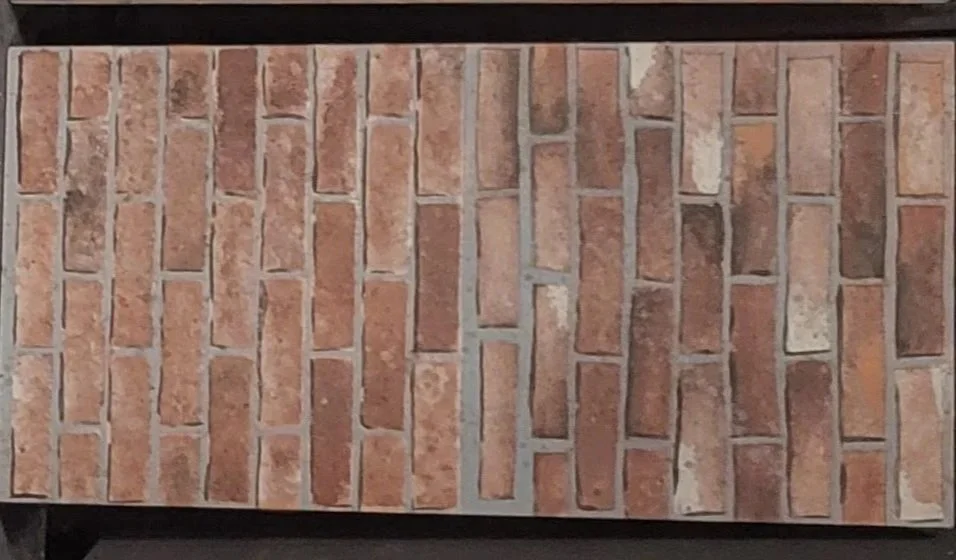
Brick textures were developed using both freehand painting and stenciling. Techniques included sponging for surface variation, dry brushing and wet brushing for highlights and shadows, and subtle splatter to add realism.
Explore Additional Theatrical Work
Beyond academic coursework, my theatrical experience includes hands-on production work across multiple technical and scenic disciplines. These areas reflect my collaborative approach to theatre-making and my interest in supporting performance through practical execution and design.