Acrylic Paintings
Acrylic Paintings
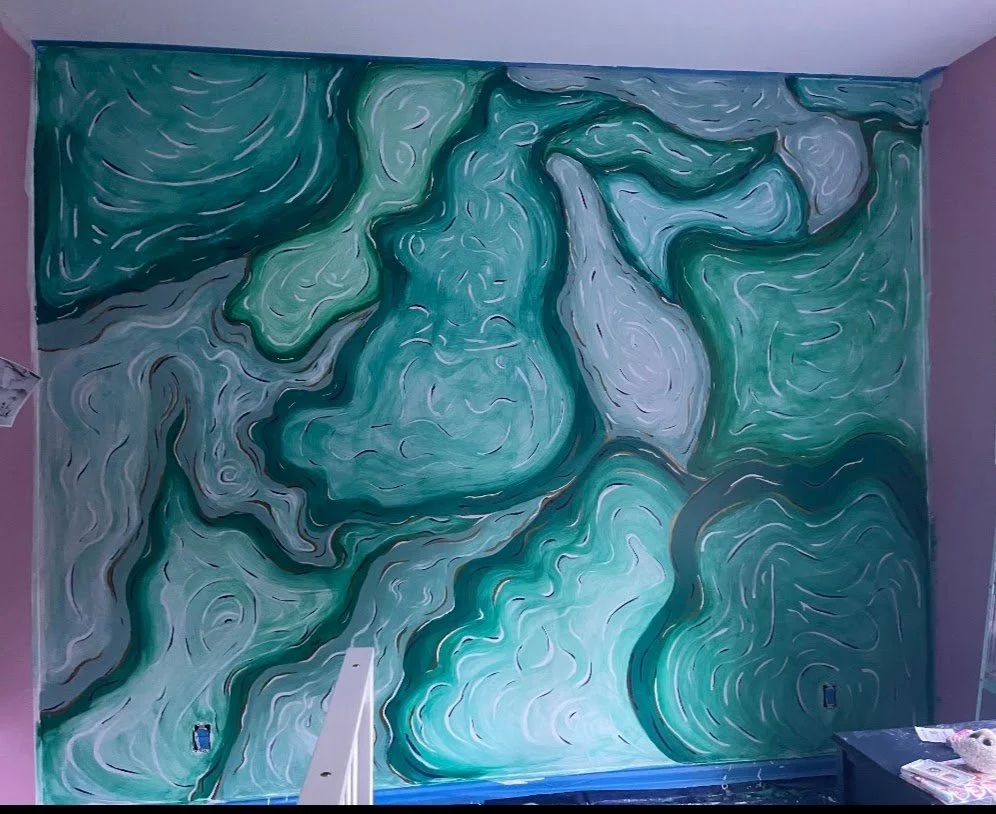
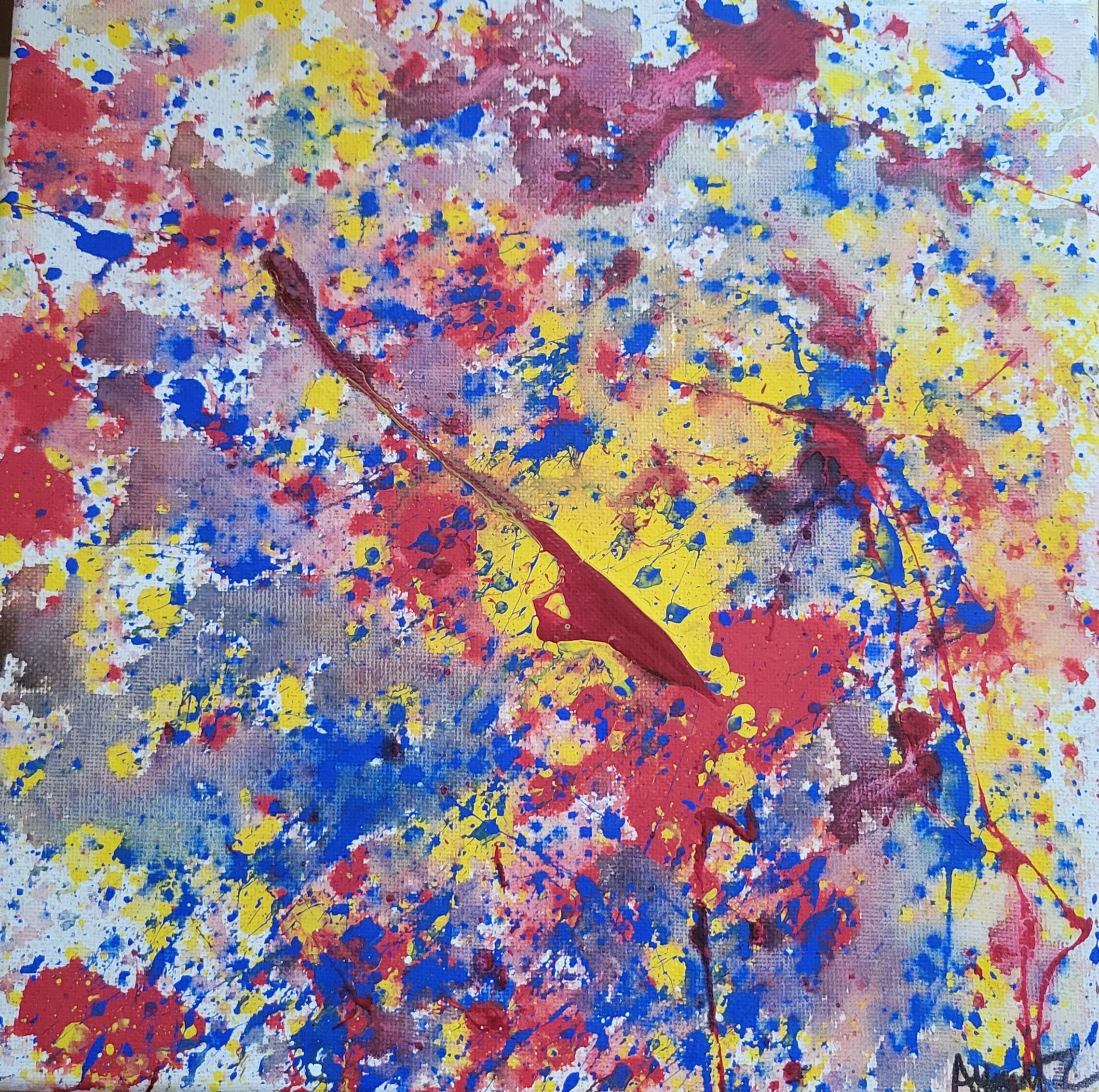
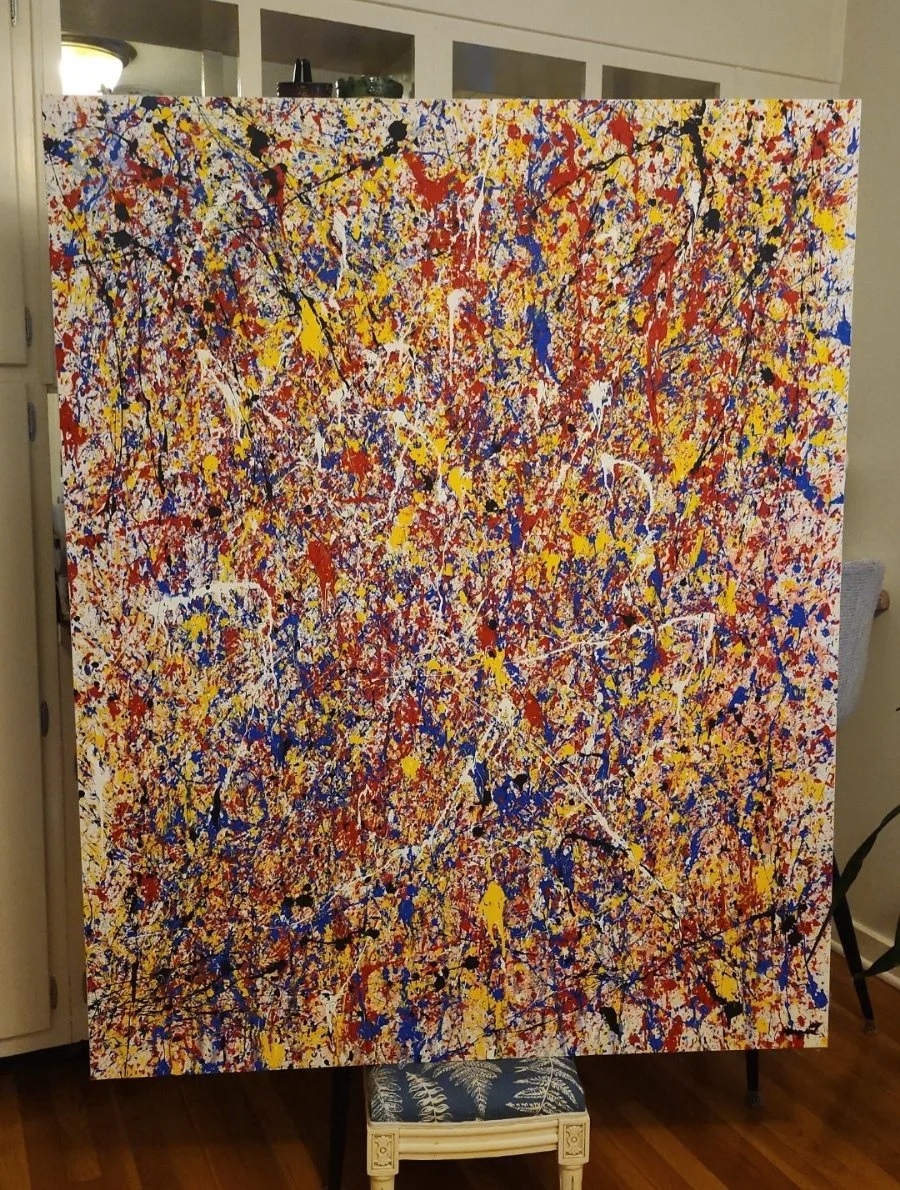
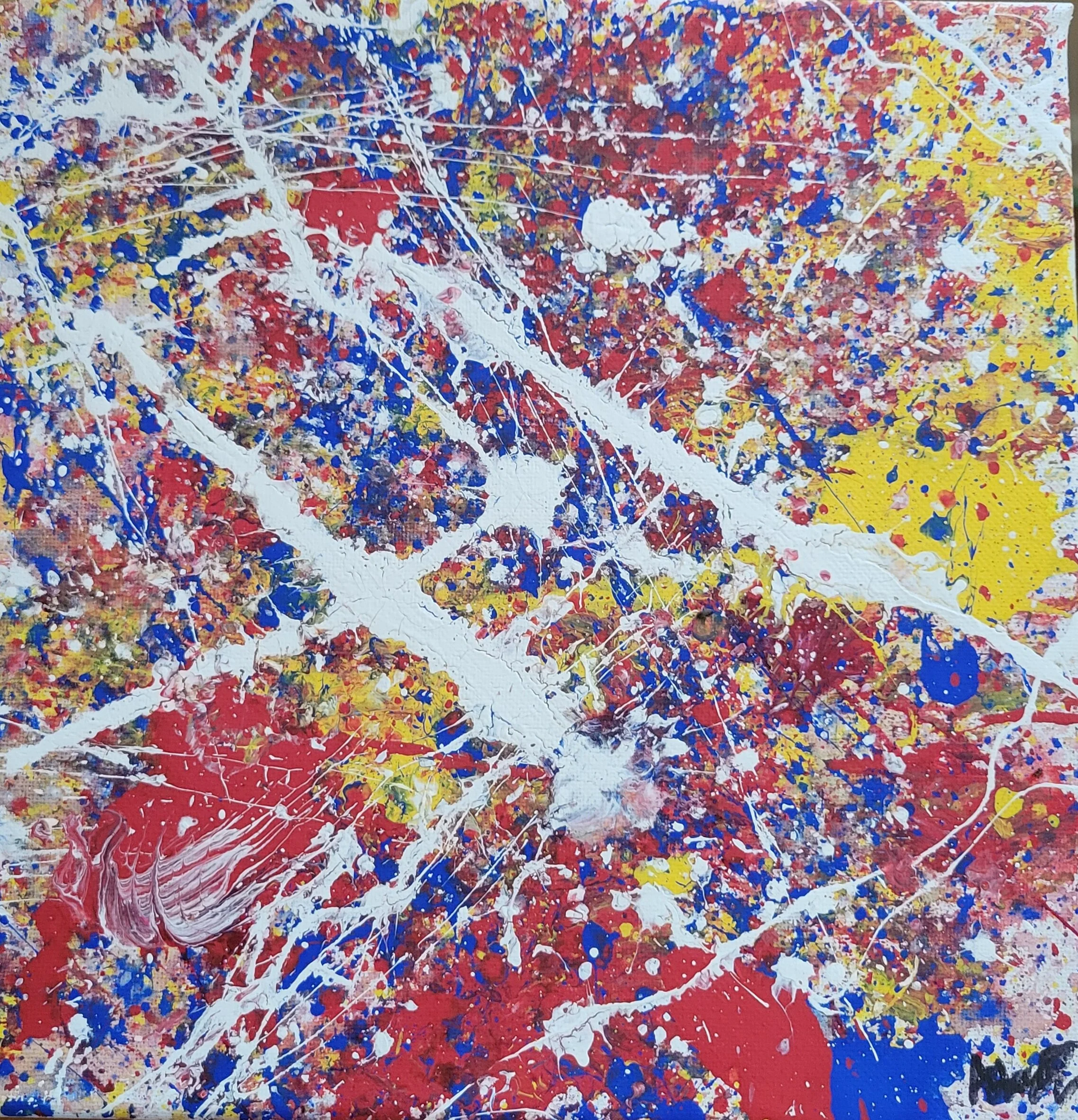
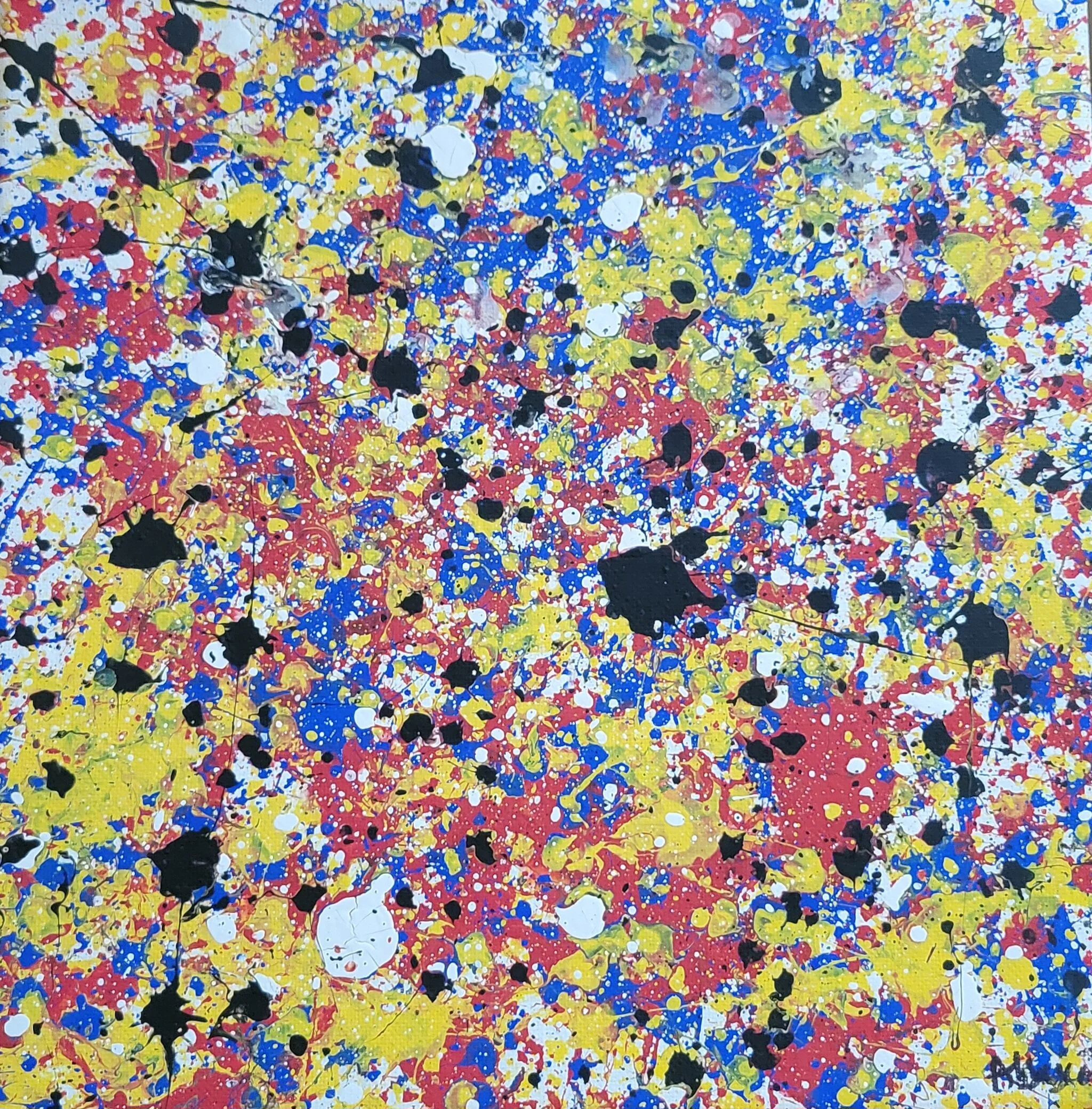
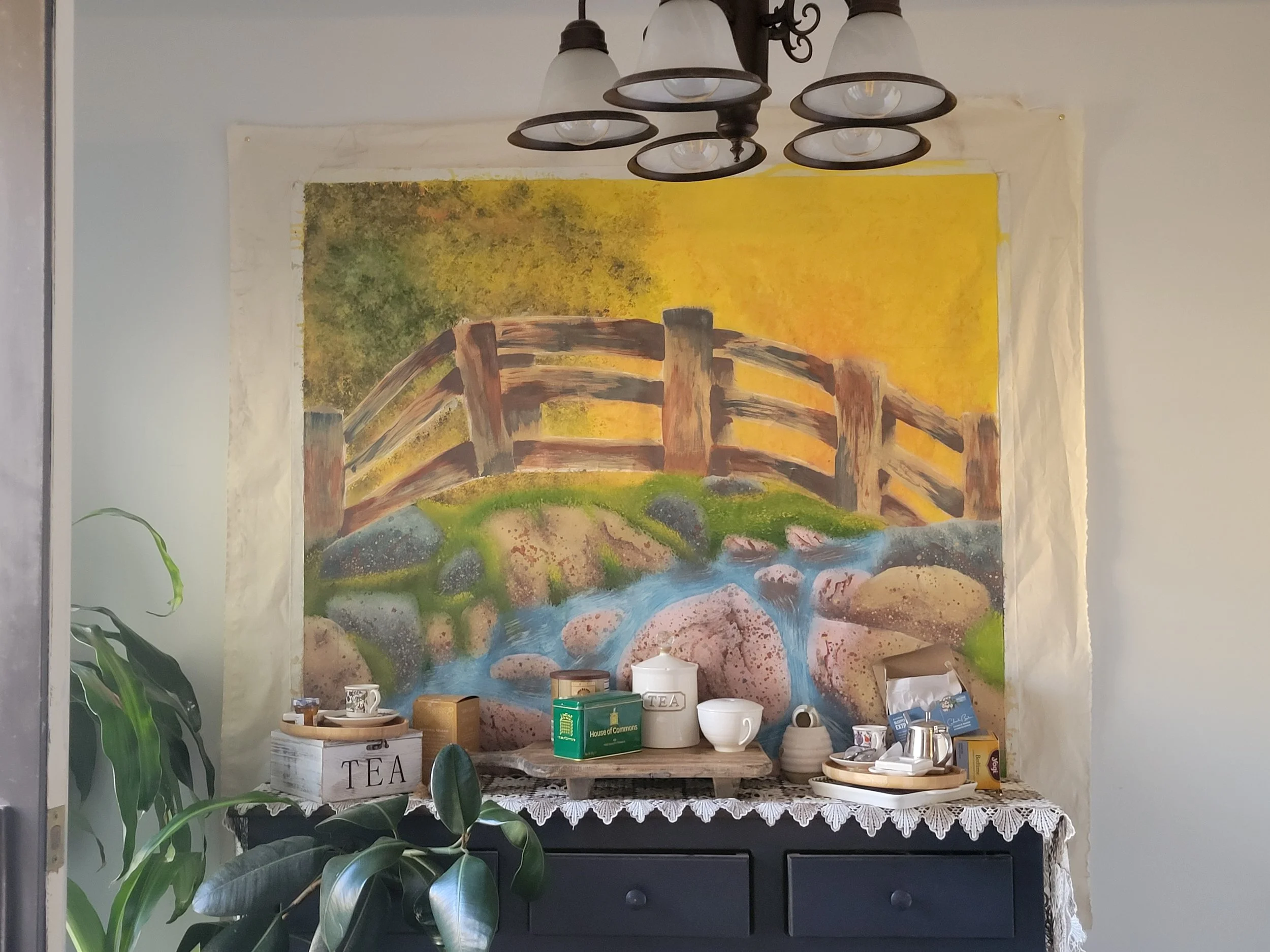
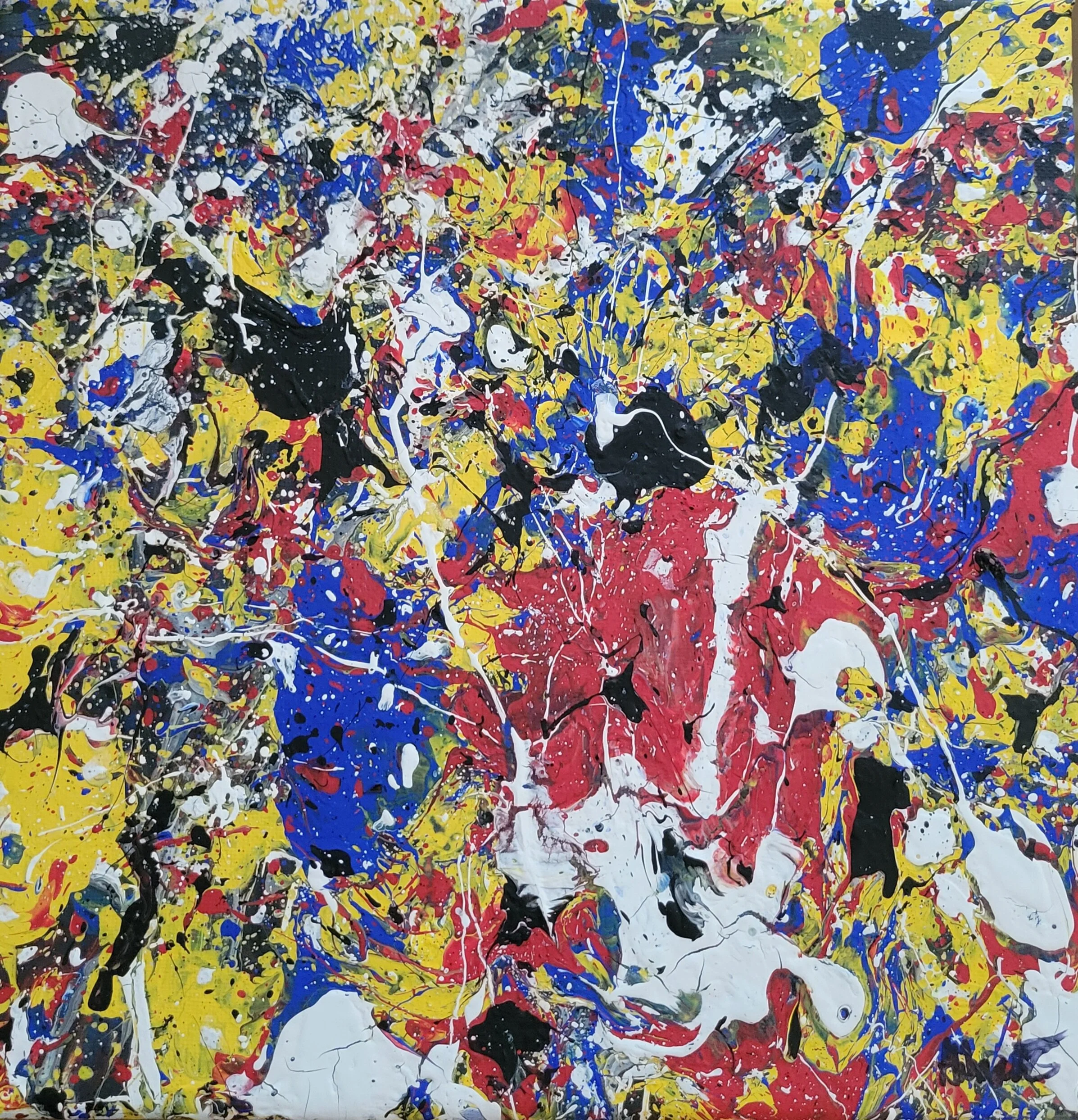
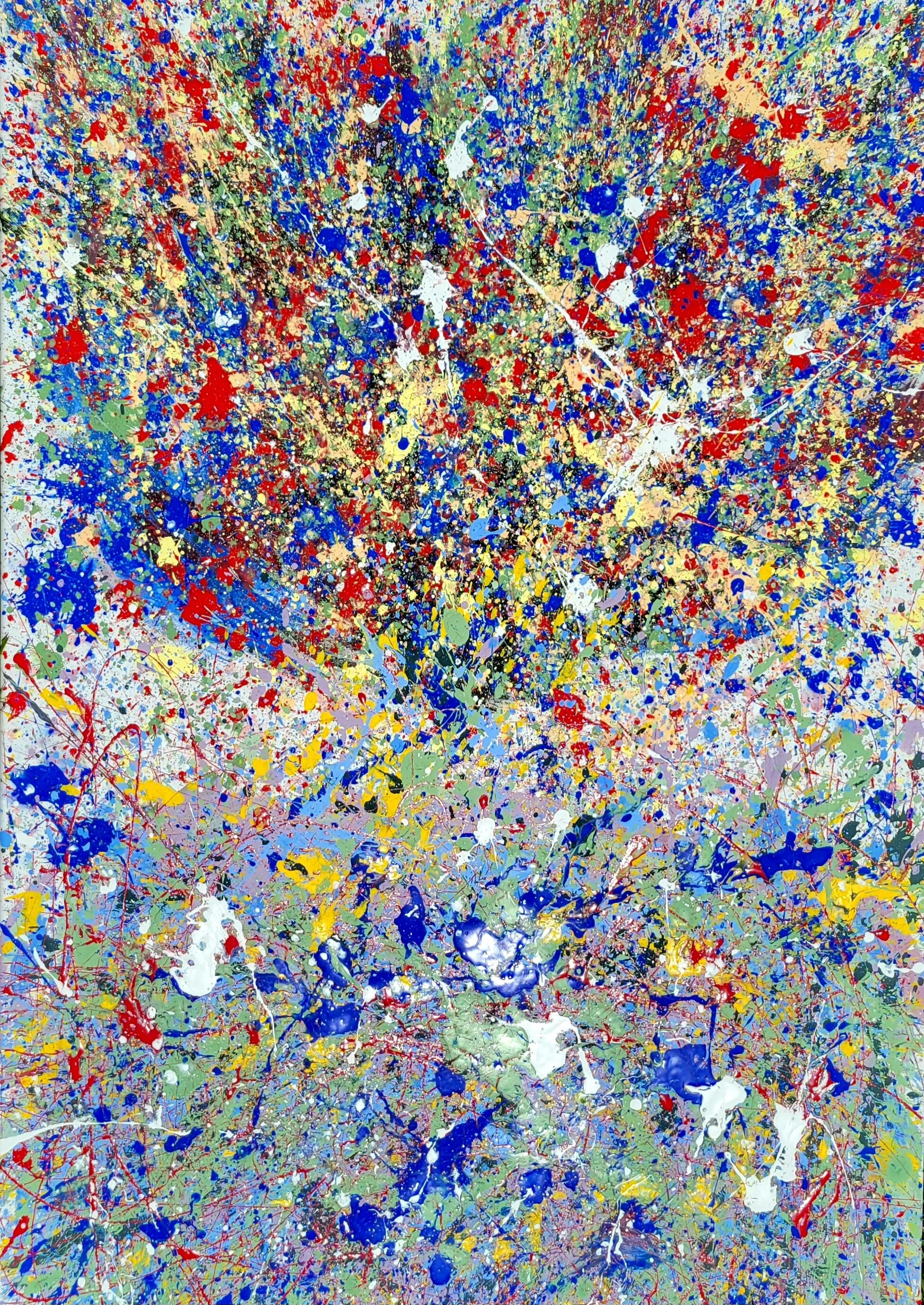
Scenic painting projects exploring texture, color, and illusion through traditional theatrical techniques. This work demonstrates hands-on experience creating realistic surfaces and environments that support storytelling through paint, material treatment, and visual depth.
Scenic Painting Techniques
These techniques were used to replicate a variety of surfaces commonly found in theatrical environments, including wood grains, brickwork, river rocks, dimensional shapes, and aged ghost signs.

Technique Breakdown
The final project for this course combined all of the techniques learned throughout the semester into a single scenic painting composition. I used spatter, sponging, wet and dry blending, and custom paint mixing to demonstrate versatility, control, and an understanding of how multiple techniques work together to create cohesive scenic surfaces.
River Rocks

Freehand painting techniques were used to establish form, followed by dry brushing for blending, wet brushing for shadows, and sponging to add texture and variation.
Shapes
Wet brushing was used for blending, highlighting, and shadowing to create depth and dimension. A spray bottle was incorporated to simulate moisture and water pooling in corners.
Architecture
This section combined stenciling and freehand painting methods. Sponging was used to build texture, while wet brushing created highlights and shadows to enhance dimensionality.
Ghost Sign
Ghost signage was created using a combination of freehand painting and stenciling. Paint mixing, dry brushing, sponging rust effects, and splatter techniques were used to achieve an aged, weathered appearance.
Brickwork
Brick textures were developed using both freehand painting and stenciling. Techniques included sponging for surface variation, dry brushing and wet brushing for highlights and shadows, and subtle splatter to add realism.
Explore Additional Theatrical Work
Beyond academic coursework, my theatrical experience includes hands-on production work across multiple technical and scenic disciplines. These areas reflect my collaborative approach to theatre-making and my interest in supporting performance through practical execution and design.